Public education · Labelled anatomy · Individual assessment
The foot · Focused assessment
Your foundation in motion.
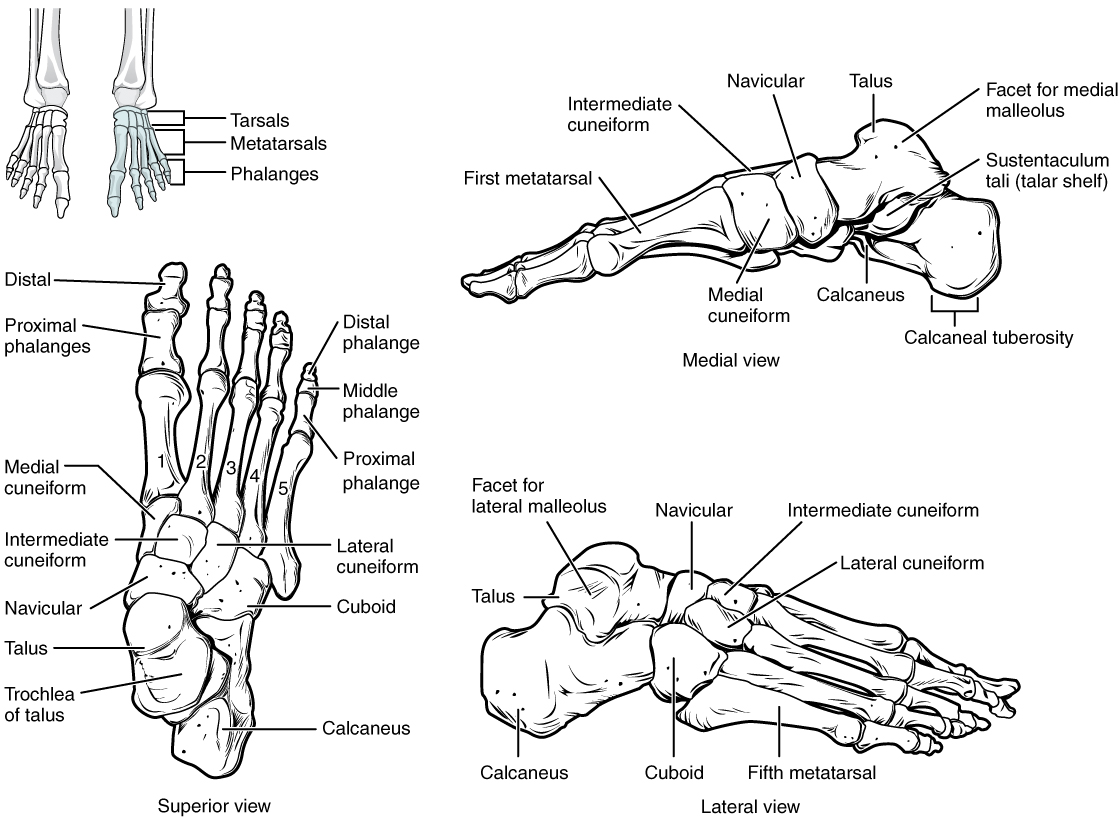
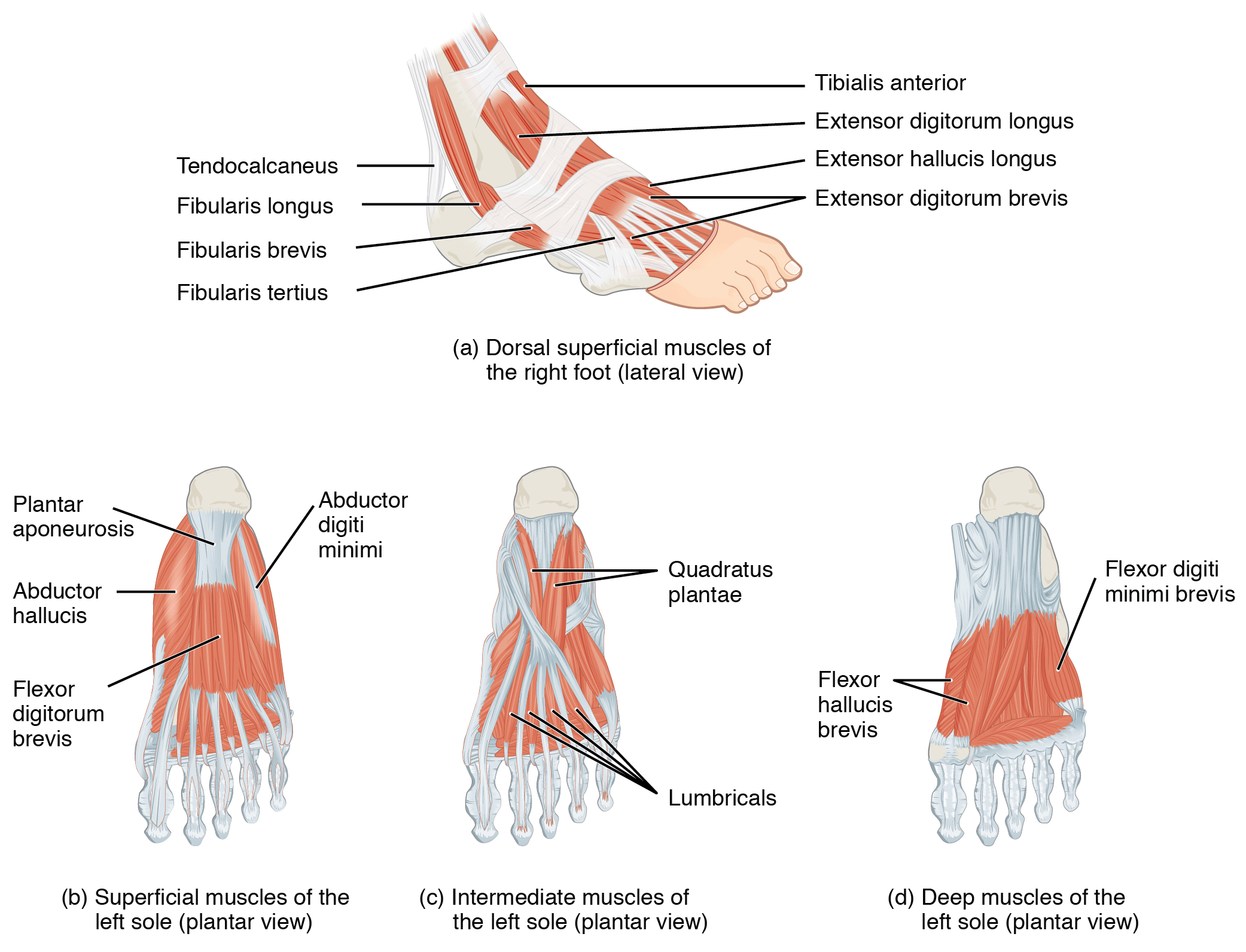
John can focus an assessment on the foot and ankle, using his framework of 10 foot patterns. The aim is to explore how the region contributes to movement, then consider what is happening further up the leg.
The foot, ankle, knee and hip share the demands of standing and walking. Their movement and load distribution matter together. There is no single perfect alignment for everyone, and a visible difference does not automatically mean pain or injury.
The hand · Focused assessment
Precision. Grip. Connection.
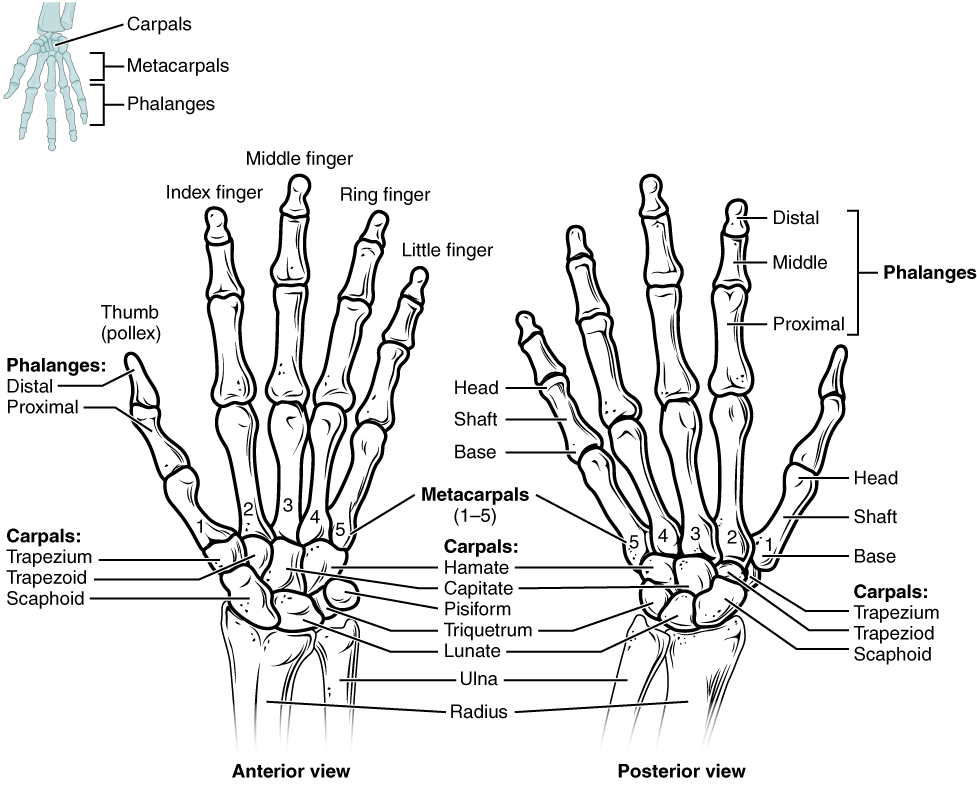
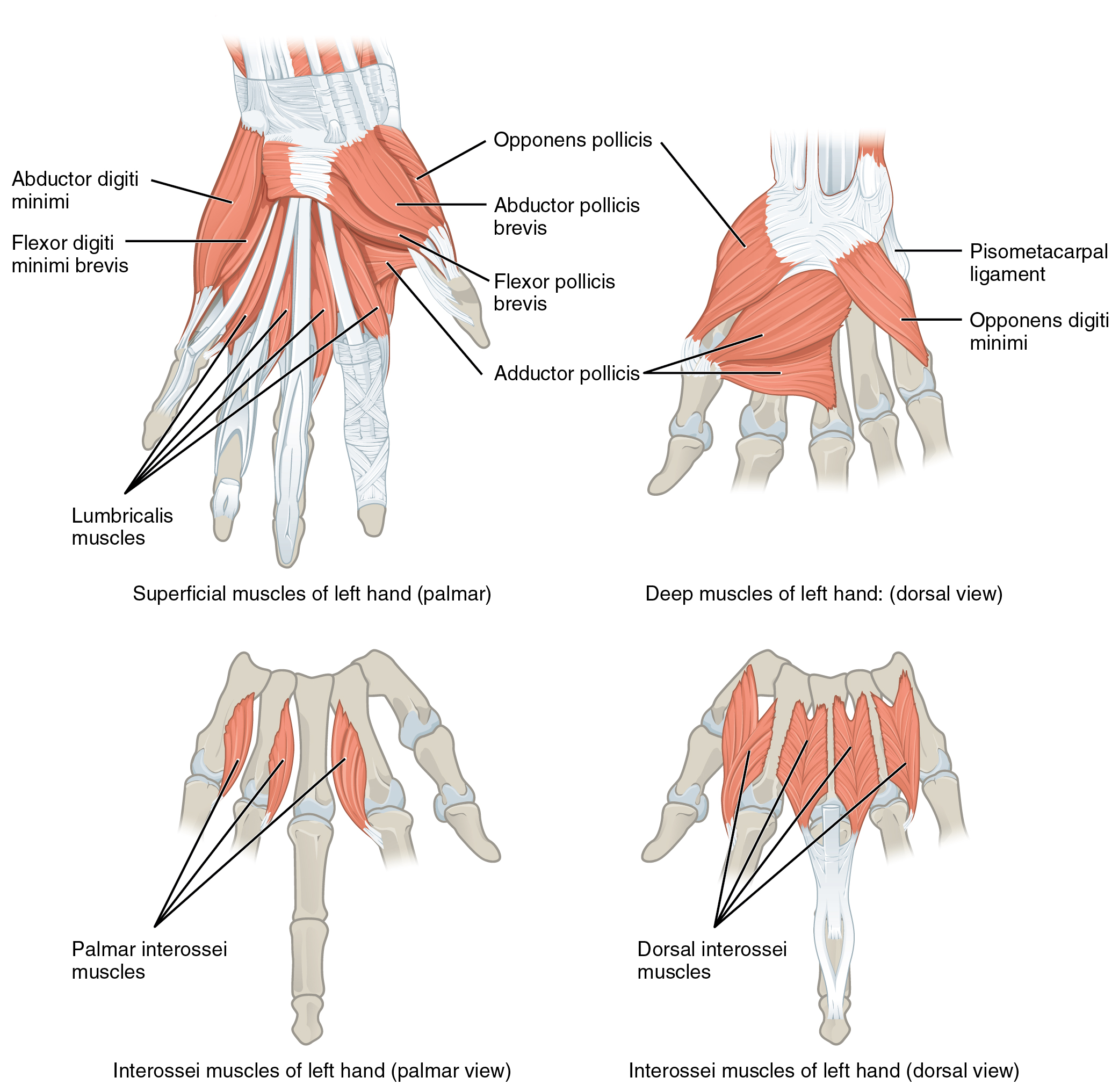
John can also focus on the hand and wrist, using his framework of 8 hand patterns. The assessment considers local movement and muscle contribution alongside how you use the wrist and arm.
The hand works with the wrist and forearm during grip and everyday tasks. A focused assessment considers the activity, the symptoms and the surrounding movement—not just the place that hurts.
Understanding symptoms
Start with the right questions.
Movement and muscle contribution are part of the picture. Symptoms can have several causes, so an alignment finding alone is not a diagnosis.
Heel pain & plantar fasciitis
Plantar fasciitis is a common cause of pain under the heel, but not all heel pain comes from the plantar fascia. Activity changes, arch structure and calf flexibility can contribute. Persistent pain deserves assessment, and improvement can take time.
If a tendon area hurts during a particular activity, bring that detail to your assessment. We can discuss the movement and demands involved. Whether muscle activation is appropriate depends on your presentation; some concerns need care from another healthcare professional.
Explore what’s possible for your hands
When discomfort or carpal tunnel symptoms affect the things you enjoy, it is worth exploring your options. John assesses how your hand, wrist and forearm move and work together, including alignment and muscle contribution. The goal is more comfortable, confident use of your hands, with a plan guided by your assessment and response.
Tell John what feels limited—walking, standing, gripping, or another everyday task. Start with a one-hour assessment to discuss your goals and whether this approach fits your needs.
Initial assessment · 1 hour · $156 CAD Cranston, SE Calgary · Private clinic address provided after booking.